


What do you understand by Watershed Management? Discuss its significance in water resource management in India.
Watershed
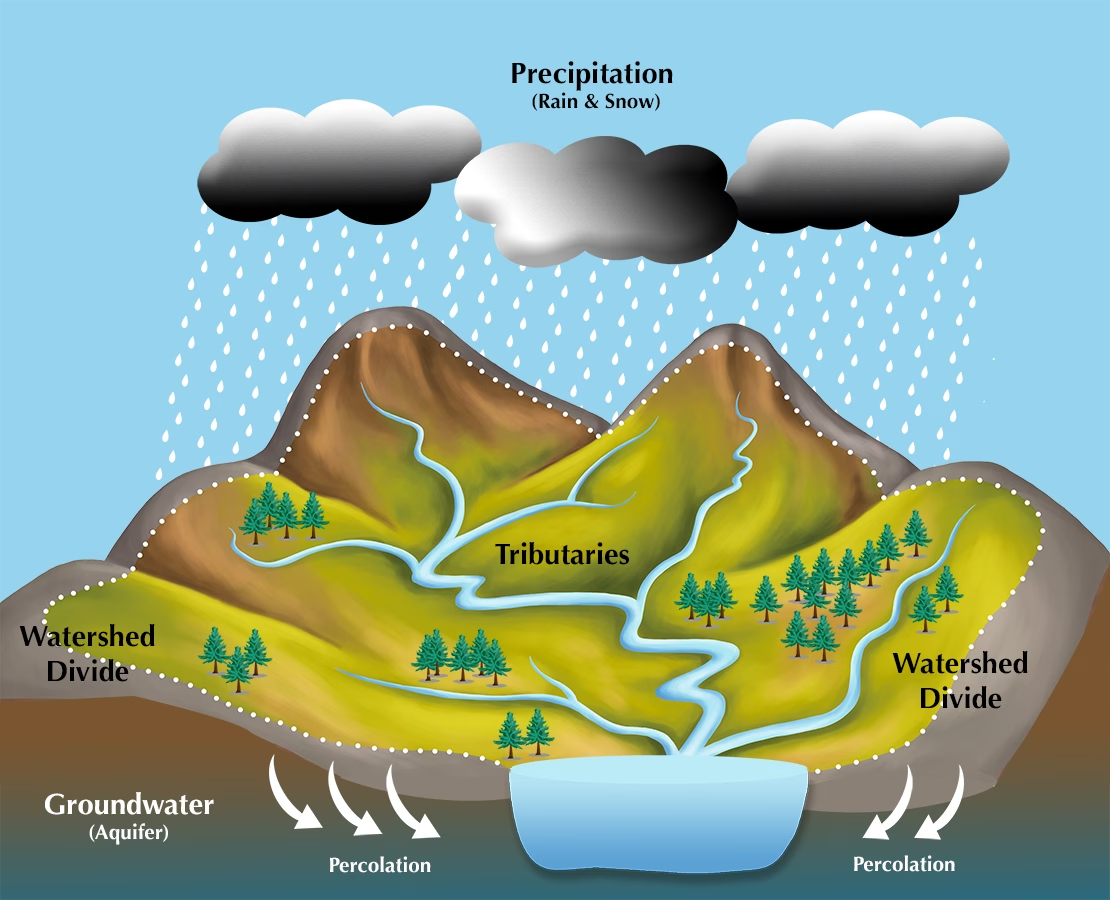
A watershed is the geographic area through which water flows across the land and drains into a common body of water - stream, river, lake, or ocean. The watershed boundary follows the highest ridgeline around the stream channels which separates the water flow which may be basically rainwater, groundwater, water from melting snow etc. and meet at the bottom or lowest point of the land where water flows out of the watershed. Watershed can be as small as few hectares as in case of a pond or may be as large as hundreds of square kms as in case of rivers
Watershed management
- Watershed management refers to efficient management and conservation of surface and groundwater resources.
- It involves prevention of runoff and storage and recharge of groundwater through various methods like percolation tanks, recharge wells, etc.
- However, in a broad sense watershed management includes conservation, regeneration and judicious use of all resources – natural (like land, water, plants and animals) and human within a watershed. It brings about the balance between natural resources on the one hand and society on the other through community participation
Significance of Watershed Management
Enhancing Water Availability
- Groundwater Recharge:
- Aquifer Replenishment: Watershed management practices such as the construction of check dams, percolation tanks, and recharge pits help in increasing groundwater levels by enhancing the infiltration of rainwater.
- Sustainable Use: This replenishment supports sustainable groundwater extraction for agricultural, domestic, and industrial use.
- Surface Water Conservation:
- Storage Structures: Building small reservoirs, farm ponds, and tanks within a watershed helps in capturing and storing rainwater, reducing surface runoff, and increasing water availability during dry periods.
- Rainwater Harvesting: Encourages the collection and storage of rainwater for future use, especially in areas with irregular rainfall patterns.
Soil Conservation and Agricultural Productivity
- Soil Erosion Control:
- Erosion Prevention: Watershed management involves practices such as afforestation, contour plowing, and terracing, which reduce soil erosion and prevent the loss of fertile topsoil.
- Sedimentation Reduction: Reduces sedimentation in rivers and reservoirs, maintaining their storage capacity and efficiency.
- Enhanced Agricultural Productivity:
- Moisture Retention: Improved soil moisture through water conservation techniques leads to better crop yields and reduces the dependency on erratic rainfall.
- Sustainable Farming: Promotes sustainable agricultural practices that maintain soil health and fertility over the long term.
Flood and Drought Mitigation
- Flood Control:
- Runoff Management: Watershed management helps in controlling the speed and volume of surface runoff, reducing the risk of flash floods and downstream flooding.
- Buffer Zones: Creation of buffer zones and wetlands within watersheds acts as natural flood control mechanisms.
- Drought Resistance:
- Water Storage: By storing water during periods of excess rainfall, watershed management ensures the availability of water during droughts, enhancing the resilience of communities to dry spells.
- Vegetative Cover: Maintaining vegetative cover within watersheds helps in retaining soil moisture and reducing the impacts of drought.
Environmental and Ecological Benefits
- Biodiversity Conservation:
- Habitat Preservation: Watershed management supports the conservation of natural habitats and biodiversity by protecting water sources and promoting afforestation and reforestation.
- Ecosystem Services: Healthy watersheds provide essential ecosystem services, including clean water, air quality improvement, and climate regulation.
- Water Quality Improvement:
- Pollution Control: Watershed management practices reduce pollution through sediment and nutrient control, improving the quality of both surface and groundwater.
- Natural Filtration: Wetlands and riparian buffers within watersheds act as natural filters, removing contaminants from water before it enters rivers and lakes.
Socio-Economic Benefits
- Livelihood Support:
- Agricultural Income: Improved water availability and soil health enhance agricultural productivity, thereby increasing the income of farmers and rural communities.
- Employment Opportunities: Watershed management projects often create jobs in rural areas through activities such as construction of water conservation structures and afforestation.
- Community Empowerment:
- Participatory Approach: Involving local communities in watershed management fosters a sense of ownership and responsibility towards natural resource conservation.
- Capacity Building: Training and capacity-building activities empower communities with knowledge and skills for sustainable resource management.
Climate Change Adaptation
- Resilience Building:
- Adaptation Strategies: Watershed management provides a framework for communities to adapt to the impacts of climate change, such as altered rainfall patterns and increased frequency of extreme weather events.
- Carbon Sequestration: Afforestation and reforestation efforts within watersheds contribute to carbon sequestration, helping to mitigate climate change.
- Integrated Water Resource Management (IWRM):
- Holistic Approach: Watershed management is a key component of IWRM, which promotes the coordinated development and management of water, land, and related resources to maximize economic and social welfare without compromising the sustainability of vital ecosystems.
Watershed management is essential for sustainable water resource management in India, particularly in regions facing water scarcity, groundwater depletion and irregular rainfall. An integrated and community-based approach is crucial for ensuring water security, improving rural livelihoods and maintaining ecological sustainability.
