


Table of Contents
Toggle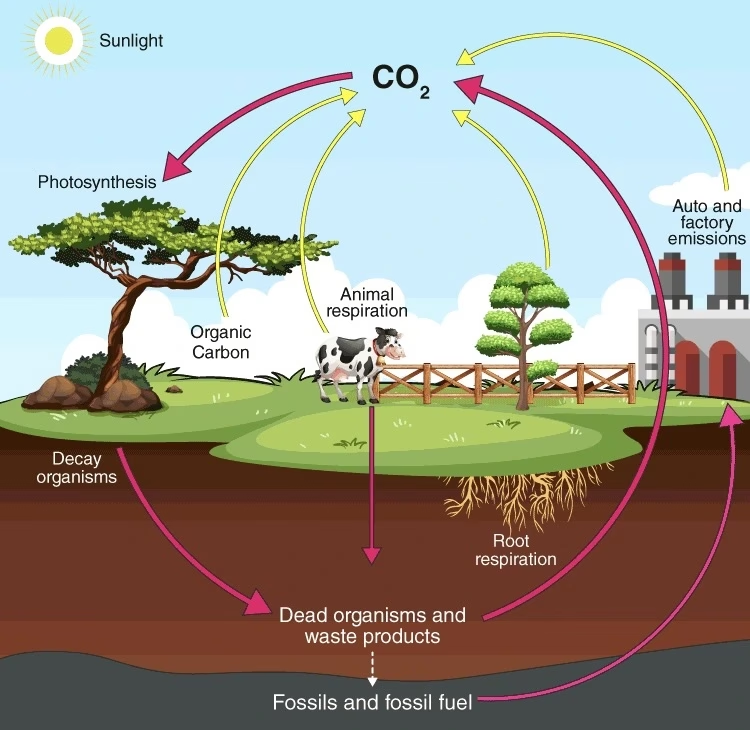
Human activities such as deforestation and excessive burning of fossil fuels have significantly disrupted the natural carbon balance. These actions have dramatically increased atmospheric CO₂ levels, contributing to global warming and climate change.
The carbon cycle is a critical natural process that sustains life, regulates Earth’s climate, and connects all living and non-living components of the planet. However, human activities like deforestation, fossil fuel combustion, and industrial emissions have accelerated the release of carbon, disrupting this balance and contributing to the climate crisis.
Q1. What is the carbon cycle?
The carbon cycle is the process by which carbon moves between the atmosphere, living organisms, soil, and water, ensuring carbon availability in ecosystems.
Q2. What is the short-term carbon cycle?
It involves rapid carbon exchange through photosynthesis, respiration, and decomposition—usually over days to years.
Q3. What is the long-term carbon cycle?
Carbon gets stored as peat or insoluble carbonates in ocean sediments, taking thousands of years to re-enter the atmosphere.
At InclusiveIAS, our editorial team is led by experts who have successfully cleared multiple stages of the UPSC Civil Services Examination, including Mains and Interview. With deep insights into the demands of the exam, we focus on crafting content that is accurate, exam-relevant, and easy to grasp.
Whether it’s Polity, Current Affairs, GS papers, or Optional subjects, our notes are designed to:
Break down complex topics into simple, structured points
Align strictly with the UPSC syllabus and PYQ trends
Save your time by offering crisp yet comprehensive coverage
Help you score more with smart presentation, keywords, and examples
🟢 Every article, note, and test is not just written—but carefully edited to ensure it helps you study faster, revise better, and write answers like a topper.
Aspirants studying on InclusiveIAS