UPDATES

Sulphur Cycle | UPSC Environment Notes

  • Home
  • Sulphur Cycle | UPSC Environment Notes
Shape Image One

Sulphur Cycle

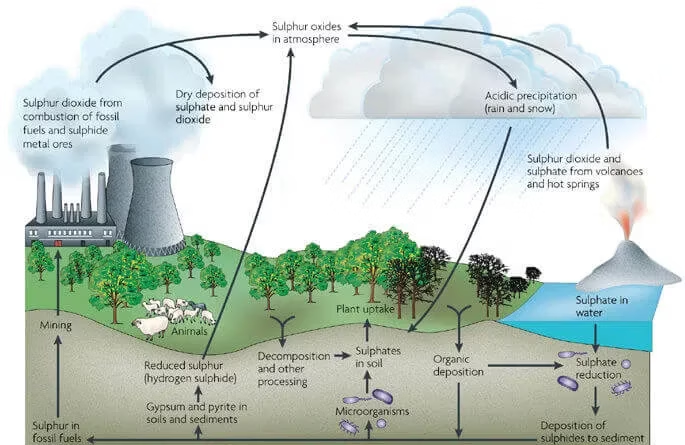
  • Sulphur is an essential element found in proteins, enzymes, and vitamins. It plays a crucial role in ecosystems by cycling between the lithosphere, biosphere, and atmosphere.
  • Reservoir and Movement
    • The primary reservoirs of sulphur are in the soil and sediments, where it exists in both organic forms (such as coal, peat, and oil) and inorganic forms (like pyrite and sulphate rocks).
    • Sulphur is mainly released through:
      • Weathering of rocks
      • Erosional runoff
      • Decomposition of organic matter
      • These processes allow sulphur to enter terrestrial and aquatic ecosystems in the form of dissolved sulphates.
  • Gaseous Phase of Sulphur
    • The sulfur cycle is primarily sedimentary, but it includes a gaseous phase involving hydrogen sulfide (H₂S) and sulfur dioxide (SO₂). These gases are released through volcanic eruptions, fossil fuel combustion, decomposition processes, and oceanic emissions.
    • In the atmosphere Hydrogen sulphide (H₂S) undergoes oxidation to form sulphur dioxide (SO₂). This sulphur dioxide can further react with atmospheric moisture and dissolve in rainwater, forming weak sulphuric acid (H₂SO₄). This process leads to acid deposition, whereby sulphur compounds are returned to the Earth’s surface through acid rain, contributing to soil and water acidification.
  • Biological Uptake
    • Plants absorb sulphates from the soil and incorporate them into sulphur-containing amino acids and proteins.These compounds then move up the grazing food chain
    • Sulphur contained in living organisms is returned to the environment through excretion and the decomposition of dead organic matter. This process releases sulphur compounds back into the soil, as well as to the bottom sediments of ponds, lakes, and seas, thereby completing the sulphur cycle in nature.

The sulphur cycle maintains the essential availability of sulphur across Earth’s systems, supporting biological structures, enzyme functions, and soil health. Its dual nature—involving both sedimentary and gaseous components—makes it complex and sensitive to environmental disruptions.

FAQs on the Sulphur Cycle

Q1. Why is sulphur important in living organisms?

Sulphur is a key component of proteins, enzymes, and vitamins. It is essential for cellular function and structural integrity in both plants and animals.

Q2. Where is the major reservoir of sulphur found?

Sulphur is primarily stored in the soil and sediments, both in organic forms (like coal, oil, and peat) and inorganic forms (such as sulphate and pyrite rocks).

Q3. How does sulphur enter the ecosystem?

Sulphur enters terrestrial and aquatic ecosystems through:

  • Weathering of rocks

  • Erosional runoff

  • Decomposition of organic matter

    These processes release sulphates into soil and water bodies.

✍️ Curated by InclusiveIAS Editorial Team

At InclusiveIAS, our editorial team is led by experts who have successfully cleared multiple stages of the UPSC Civil Services Examination, including Mains and Interview. With deep insights into the demands of the exam, we focus on crafting content that is accurate, exam-relevant, and easy to grasp.

Whether it’s Polity, Current Affairs, GS papers, or Optional subjects, our notes are designed to:

  • Break down complex topics into simple, structured points

  • Align strictly with the UPSC syllabus and PYQ trends

  • Save your time by offering crisp yet comprehensive coverage

  • Help you score more with smart presentation, keywords, and examples

🟢 Every article, note, and test is not just written—but carefully edited to ensure it helps you study faster, revise better, and write answers like a topper.